New Zealand’s gas market is entering a period of structural change. PwC’s 2026 Gas Supply and Demand Study, prepared for the Gas Industry Company, highlights a future where indigenous gas supply continues to decline, major fields reach end‑of‑life, and commercial and industrial (C&I) customers face increasing uncertainty.
For businesses that rely on gas for process heat, manufacturing, food production, or backup generation, the implications are significant — and planning ahead is essential.
The State of the Gas Market: Key Findings from the PwC Study
1. Domestic gas supply is declining faster than expected
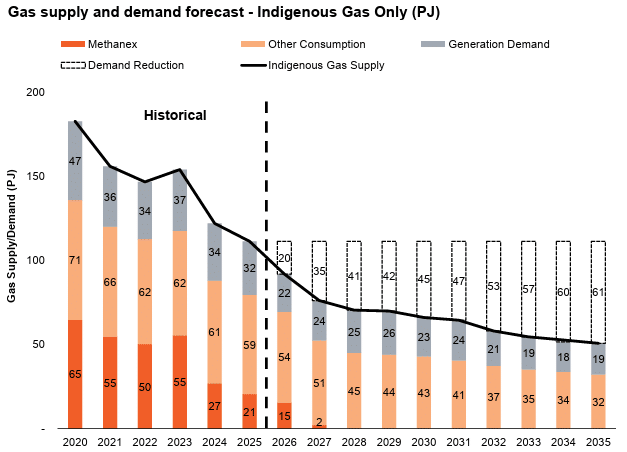
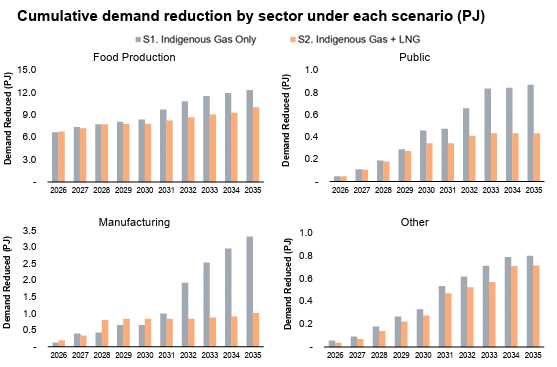
New Zealand’s indigenous gas production has fallen to levels not seen in decades. Major fields are maturing, and by 2035 domestic supply could halve again. This creates structural scarcity and increases exposure to supply shocks.
2. Without LNG, the market becomes extremely tight
Gas demand must fall sharply by 2035
Industrial users face potential forced fuel switching
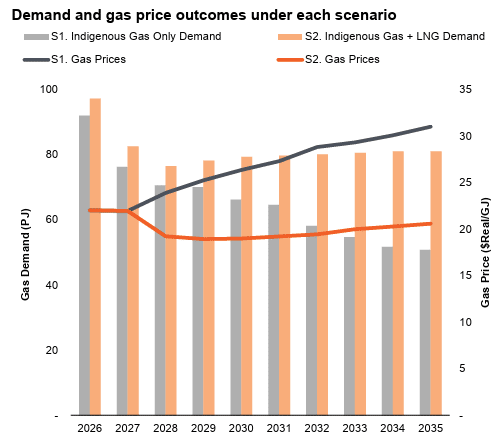
Electricity prices become more volatile, especially in dry years
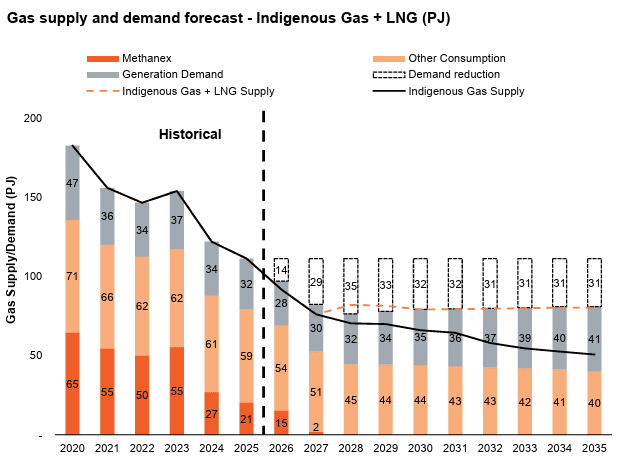
3. LNG imports from 2028 improve stability — but don’t eliminate risk
If LNG is introduced:
Prices become more stable
Electricity security improves
Industrial operations remain more viable
However, LNG still exposes New Zealand to global commodity markets, and the study makes it clear that significant electrification or alternative fuels will still be required from the late 2020s onward.
4. The 2030s will be a crunch period
Even with LNG, domestic supply continues to decline. Any delays in LNG infrastructure or new supply sources increase risk for C&I customers.
What This Means for Commercial & Industrial Energy Users
1. Expect higher and more volatile gas prices
Tight supply and declining production create upward pressure on pricing. Dry years will amplify volatility.
2. Contract availability will shrink
Retailers may:
Shorten pricing validity windows
Reduce willingness to quote
Prioritise large or strategic customers
Require longer‑term commitments
3. Forced switching is a real possibility
Industries relying on gas for process heat may face:
Mandatory curtailment
Loss of supply if fields decline faster than forecast
Higher costs if switching is unplanned
4. Decarbonisation pressure will intensify
Even with LNG, the study is clear: New Zealand must electrify or adopt alternative fuels at scale.
Key Recommendations for Total Utilities Clients
1. Secure long‑term gas contracts where possible
For businesses that must remain on gas in the medium term:
Lock in multi‑year supply agreements
Prioritise retailers with strong upstream positions
Consider hedging strategies
Avoid exposure to short‑term or spot‑driven pricing
2. Begin evaluating alternative fuels now
Depending on your process heat requirements, viable options include:
Electric boilers or industrial heat pumps
Biomass or wood pellets
Renewable LPG or bio‑LPG
Hydrogen‑ready equipment
Thermal storage solutions
3. Stress‑test your energy strategy
Consider:
What happens if gas supply is curtailed for 30–90 days
The impact of a dry‑year price spike
The risk of a retailer declining to renew your contract
The cost difference between proactive vs reactive fuel switching
4. Integrate energy security into long‑term planning
Businesses should incorporate:
Scenario modelling
Capex planning for alternative fuels
Electrification roadmaps
Carbon reduction pathways
Contingency planning for supply interruptions
How Total Utilities Can Help
1. Gas procurement and long‑term contract negotiation
We work with all major gas supplies, helping you secure competitive, reliable supply in a tightening market. Over the last few months we have been securing contracts of up to 5 years and while this does not guarantee gas supply, it does provide long term gas pricing security.
2. Ongoing market intelligence
We continuously monitor:
Gas supply conditions
Retailer behaviour
LNG developments
Electricity market dynamics
Policy and regulatory changes
3. Decarbonisation and feasibility studies
Our technical partners can assist your business build practical, staged plans that balance cost, operational requirements, carbon reduction, technology readiness, and risk management. From engineering assessments to procurement and implementation, they guide you through the entire transition process.
Final Thoughts
The PwC study is a clear signal: New Zealand’s gas market is tightening, and C&I customers must prepare for a future where gas is more expensive, less available, and increasingly uncertain.
Whether your business intends to stay on gas for the medium term or transition away from it, the decisions you make in the next 12–24 months will shape your resilience and competitiveness through the 2030s.
Total Utilities is here to help you navigate that journey with clarity, confidence, and data‑driven strategy.
A New Zealand local council committed to the sustainable utilisation of natural resources launched an initiative to better understand and manage water usage for irrigation across its recreational parks.
The Challenge
The council faced a significant challenge in monitoring water consumption from boreholes used for park irrigation. Traditional analog water meters required manual readings, which were time-consuming, costly, and lacked real-time visibility. This limited the ability to proactively manage water schedules and detect anomalies in water flow.
Innovative Solution by Total Utilities
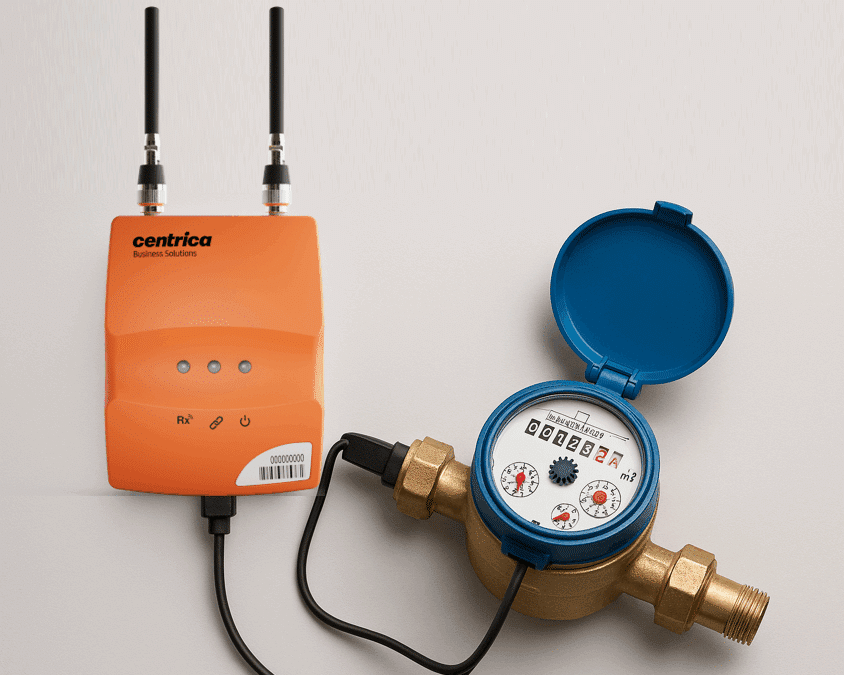
Total Utilities (TU) identified a borehole at Scott Street in Hobsonville Point, West Auckland, as an ideal site to pilot its Panoramic Power solution. The goal was to transform the existing analog water meter into a smart, connected device.
What made this solution unique:
The existing water meter was equipped with a KY pulse output, which TU leveraged to connect its Gateway/Bridge unit.
This integration enabled real-time data capture and visualisation on TU’s PowerRadar dashboard, displaying:
Volume (m³)
Flow rate (m³/h)
Implementation
The installation was carried out by TU’s internal team and took just 2 hours to complete and commission. This rapid deployment demonstrated the simplicity and efficiency of the Panoramic Power solution.
Results
The council gained remote, real-time visibility into water usage.
The need for manual meter readings was eliminated, saving both time and operational costs.
The system provided automated alerts for anomalies, such as:
Unexpected water flow outside scheduled pumping times.
Sudden stoppages indicating potential faults.
Impact
With accurate and timely data now at their fingertips, the council can:
Optimise irrigation schedules based on actual usage.
Respond quickly to issues, reducing water waste and improving resource management.
Enhance sustainability efforts by making data-driven decisions.
How Total Utilities Can Help Your Business
Our expert team can help you unlock significant energy savings with a short-term return on investment (ROI). Typically, we can identify up to 25% savings with an ROI of less than 2 years.
We achieve this by conducting a comprehensive site-wide energy audit (Type 1), examining everything from lighting and HVAC systems to chillers, boilers, refrigeration and other energy-intensive systems. Additionally, we install Panoramic Power our non-intrusive energy intelligence system, providing real-time device-level energy data visibility. For more information check out a brief overview of our service here.
Ready to start saving? Contact us today to schedule your energy audit and begin your journey towards greater efficiency and cost savings!
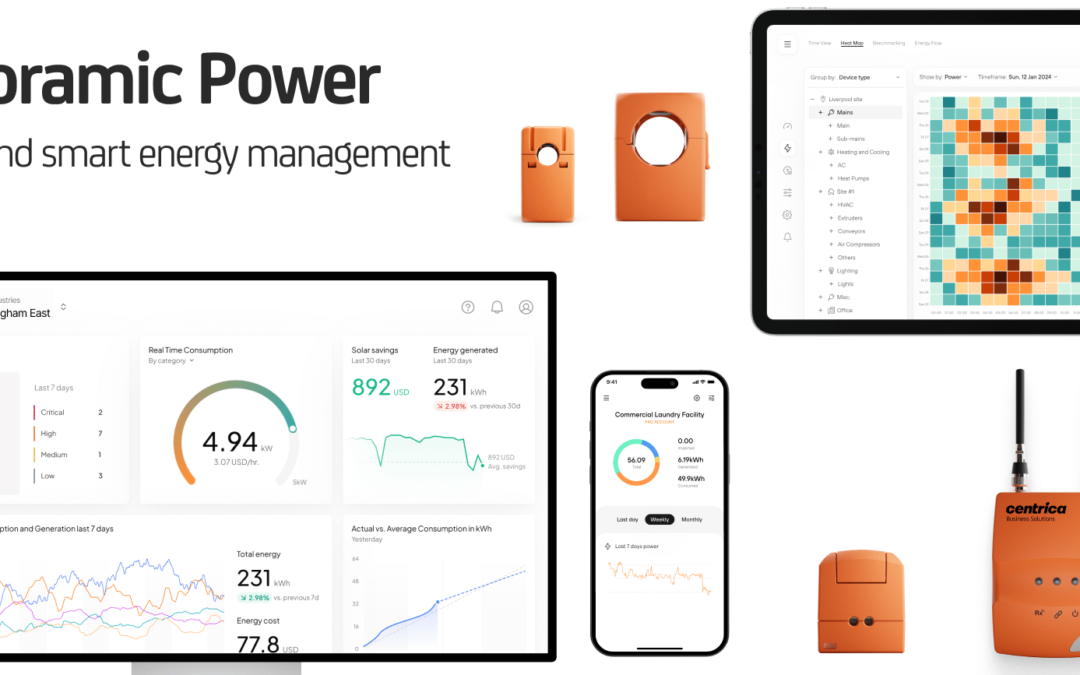
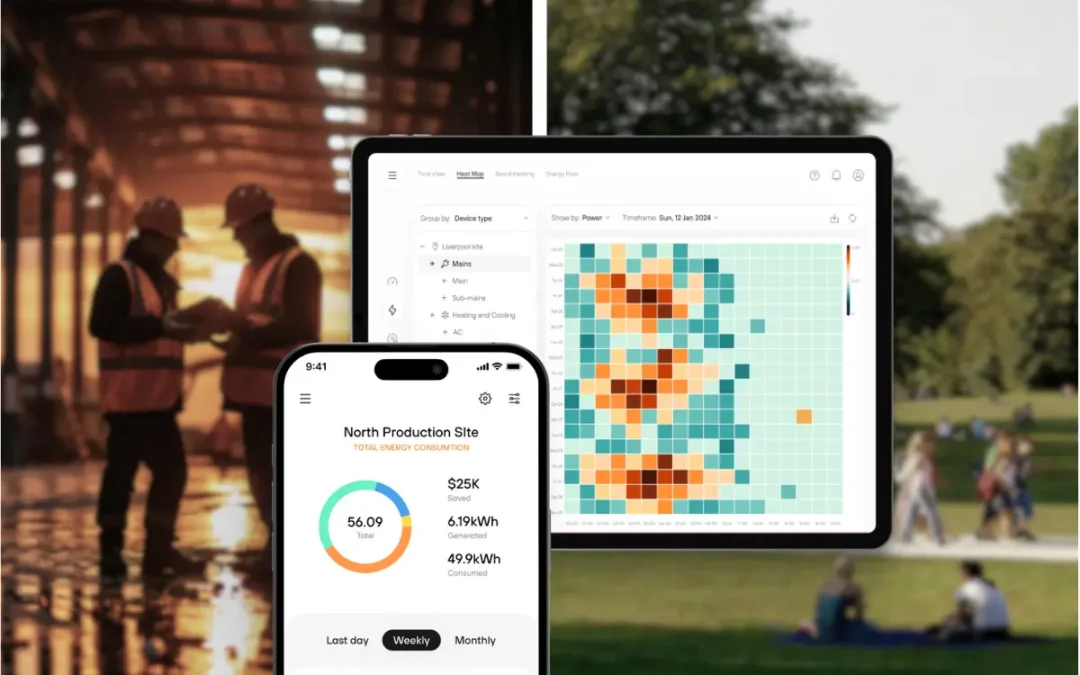
Manufacturers can maximise energy and operational efficiency by leveraging the Panoramic Power end-to-end energy intelligence platform. This platform combines wireless sensor technology with advanced analytics software to provide real-time energy insights, enabling optimisation of energy and operational performance across an entire site, down to the device and equipment level.
Real-time energy data at your fingertips
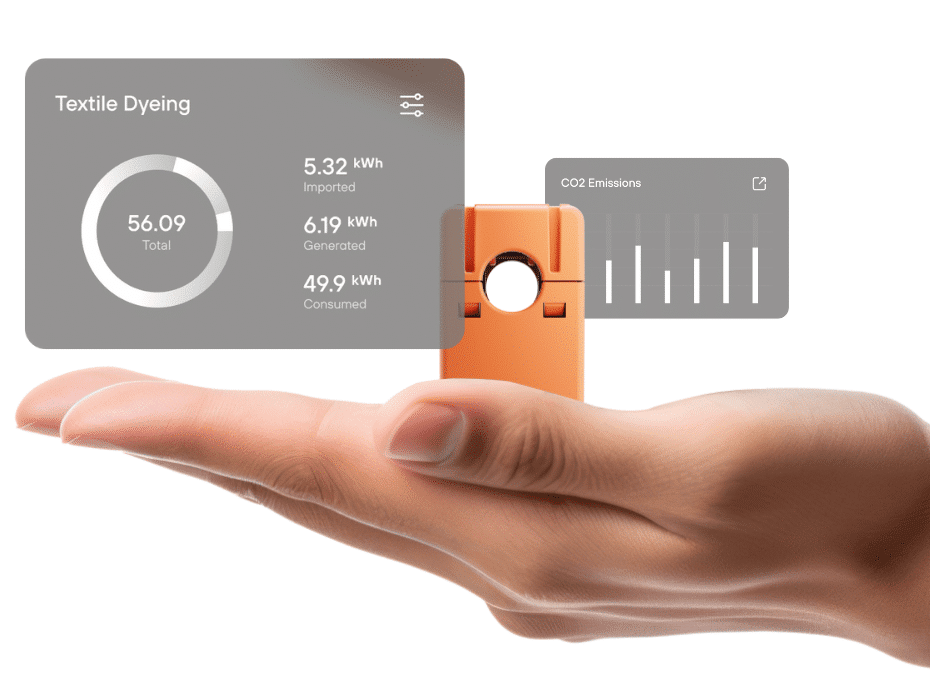
By simply clipping wireless IoT sensors to energy-intensive assets at a circuit level, the captured data is analysed and visualised using an advanced energy management platform. This provides a 360-degree view of site-wide power usage at the required level of detail. Additionally, it is possible to monitor gas, heat, air flow, and water consumption, as well as on-site generators like solar systems.
Six Ways Smart Sensors Can Drive Manufacturing Efficiency Savings
1. Detect Energy Waste to Drive Efficiency and Cost Savings
By understanding what’s happening beyond metered data at a device and process level, hidden energy waste can be identified, driving efficiency improvements that can reduce skyrocketing bills. For example, unnecessary out-of-hours consumption, idling equipment, incorrect operation timetables, or opportunities to improve compressor cycling or production/process line sequencing can be detected. Benchmarking against other comparable sites or areas can also help detect anomalies and drive best practices. IoT energy insights can further inform and influence employee behaviour change to improve energy performance.
2. Improve Operational Efficiency
With on-demand access to real-time equipment and process performance data, new insights into operational improvement opportunities can be gained. Often, the resulting operational cost savings are higher than the energy savings. For instance, energy insights can detect air leaks from compressors and diagnose performance issues with cooling equipment or production lines. The technology can support the verification of manufacturer default settings and equipment controls, while also tracking operational trends from adjusting equipment controls in real-time.
3. Predict Equipment Failure and Trigger Maintenance Protocols
Energy analytics software can detect anomalies and faulty equipment or process vulnerabilities that could affect output or product quality. Smart technology facilitates the transition from scheduled maintenance to predictive maintenance by providing 24/7 alerts about potential issues, preventing them before they become points of failure. This reduces downtime, increases productivity, and extends asset life.
4. Decarbonise Your Business
Improving energy and operational efficiency also delivers carbon savings, helping achieve net zero ambitions cost-effectively. This allows manufacturers to stay ahead of increasing environmental regulation and carbon taxation while meeting the sustainability expectations of customers, employees, investors, and other stakeholders.
5. Make Compliance & Reporting Easy
A data-driven energy monitoring strategy provides a clear view of energy and carbon performance. Accurate data is available at the required level of detail to support increasing regulatory and legislative oversight of Scope 1, 2, and 3 emissions. Device-level data also allows quantification of the energy or carbon intensity of production, such as how many kWh or t/CO2-e it takes to produce one widget. Similarly, if upgrading process heat requirements to heat pumps, device-level data can verify the carbon reduction impact of these upgrades.
6. Optimise and Monetise Energy Flexibility
Data gathered from wireless sensors can inform opportunities to use energy flexibly for cost reduction and revenue generation. By shifting loads to avoid peak time power costs, significant savings can be achieved by moving non-essential loads out of peak hours.
By implementing these strategies, manufacturers can significantly enhance their energy and operational efficiency, leading to substantial cost savings and improved sustainability.
How Total Utilities Can Help
Our expert team can help you unlock significant energy savings with a short-term return on investment (ROI). Typically, we can identify up to 25% savings with an ROI of less than 2 years.
We achieve this by conducting a comprehensive site-wide energy audit (Type 1), examining everything from lighting and HVAC systems to chillers, boilers, refrigeration and other energy-intensive systems. Additionally, we install Panoramic Power our non-intrusive energy intelligence system, providing real-time device-level energy data visibility. For more information check out a brief overview of our service here.
Ready to start saving? Contact us today to schedule your energy audit and begin your journey towards greater efficiency and cost savings!
In the past three to five years, legislative changes have prompted many New Zealand businesses to evaluate their contributions towards the country’s net carbon zero targets. Despite their commitment to sustainability and reducing CO2 emissions, many companies find themselves stuck at the implementation stage due to a lack of necessary data.
The Importance of Data in Sustainability
The journey towards sustainability is fundamentally dependent on data. Data is crucial, from setting decarbonisation goals to determining the actions needed to achieve those goals and monitoring progress. Most sustainability projects involve significant investments in onsite energy generation, transitioning to renewable energy sources, diversifying the energy mix, or investing in more efficient machinery.
Granular data collected at the machine, process, and facility levels empowers decision-makers to justify their investments and confidently implement sustainability initiatives.
Establishing Baselines and Monitoring Progress
Once an investment decision is made, organisations need to establish baselines and monitor progress. Highly accurate IoT devices can measure energy use and emissions across critical machinery, creating a baseline for tracking progress and identifying areas for improvement. Monitoring energy consumption, operational efficiency, and emission levels allows organisations to set realistic, data-backed sustainability targets, monitor initiatives over time, and collect the data needed to meet reporting obligations.
Case Study: The Power of Data in Action
A national retail chain, a client of Total Utilities, demonstrates the power of data in action. The Panoramic Power Energy Intelligence solution helped identify out-of-hours energy waste equivalent to 51,000kg of Scope 2 CO2 emissions. By using Panoramic Power sensors to measure the energy consumption of their HVAC system, they identified an opportunity to optimise these assets during non-operational hours, achieving $105,000 per year in total energy cost savings.
Criteria for Effective Data Utilisation
For data to successfully drive sustainability initiatives forward, it must meet the following criteria:
Generate Insights: Organisations striving for net zero need more than just raw data; they need actionable insights. A robust data tool is required to generate these insights, allowing key stakeholders to visualise the full energy picture, identify sources of waste, and determine where interventions will have the most significant economic and environmental impact.
Be Readily Shareable: Companies worldwide often suffer from data silos, where relevant data does not reach those who need it for daily operations. A data tool that facilitates easy sharing across departments and stakeholders empowers both site and management levels to carry out their tasks efficiently and accurately.
Ease Reporting Obligations: Organisations face increasing pressure to collect and maintain accurate emissions and resource consumption data and report on decarbonisation efforts. A data-driven energy monitoring strategy provides a clear view of energy and carbon performance and generates detailed reports required for regulatory and legislative compliance with Scope 1, 2, and 3 emissions.
Harness Energy Intelligence and Boost Your Sustainability Initiatives
When organisations have confidence in their data, they can better manage their energy use. Data will be the cornerstone of successful sustainability journeys going forward. By collecting, analysing, and acting on data-driven insights, manufacturing organisations can bridge the gap between commitments and implementation, achieve net-zero goals, and build a more sustainable future.
How Total Utilities Can Help
Our expert team can help you unlock significant energy savings with a short-term return on investment (ROI). Typically, we can identify up to 25% savings with an ROI of less than 2 years.
We offer the easiest-to-install, and fastest for ROI energy management solution, that scales effortlessly from a few devices to full-site or multi-site operations. Experience actionable insights and real-time analytics that drive efficiency and sustainability. Our solutions work for everyone, helping your organisation kickstart cultural transformation towards a sustainable future.
Our forestry client pursued Toitu Enviromark and ISO 14001 certifications to achieve stringent ESG standards.
Solution:
Total Utilities guided certification journeys for global compliance and enhanced industry reputation.
Outcome:
ESG excellence achieved with outstanding environmental, social, and governance standards.
Toitu Enviromark certification elevated sustainability profile.
Prepared for ISO 14001 accreditation, establishing global forestry leadership.Result:Our partnership led to national forestry leadership, meeting ESG goals and global standards.
Result:
Our partnership led to national forestry leadership, meeting ESG goals and global standards.