Richard Gardiner, Founder & Chairman of the Board at Total Utilities, shares his insights on the unfolding energy crisis in New Zealand. With years of industry experience, Richard delves into the causes, consequences, and future implications of this pressing issue.
Until six years ago NZ, was in the happy position of being self-sufficient for its electricity, natural gas, and LPG requirements.
Our electricity supply was already 80% to 85% renewable, based on a combination of hydroelectric, geothermal, solar, and wind power-based generation. An enviable position in an increasingly volatile world!
We were self-sufficient for our natural gas requirements too.
Overall, we were also self-sufficient when it came to LPG supplies – a net exporter for +/- six months of the year and a net importer for the rest of the year.
Seven years ago, the incoming Labour/Green Government banned all new offshore oil and gas exploration.
The background to this initiative is that political parties ranging from the Greens to ACT, all recognise that NZ is facing an ‘energy trilemma’. This trilemma centres on:
Sustainability considerations – decarbonisation in a climate change impacted world
Price and affordability considerations
Security of supply considerations
While the political parties disagree regarding the importance attached to specific components of the energy trilemma, they all agree that all three are vital to the wellbeing of our country.
Well-intentioned though the gas exploration ban may have been, its practical impact backfired badly on all three elements of the trilemma:
Sustainability negatively impacted – gas supplies already reduced by over a third with the resultant need that additional coal had to be imported for electricity generation at Huntly. Coal emits nearly twice as much carbon as natural gas on a kWh-for-kWh of energy delivered basis.
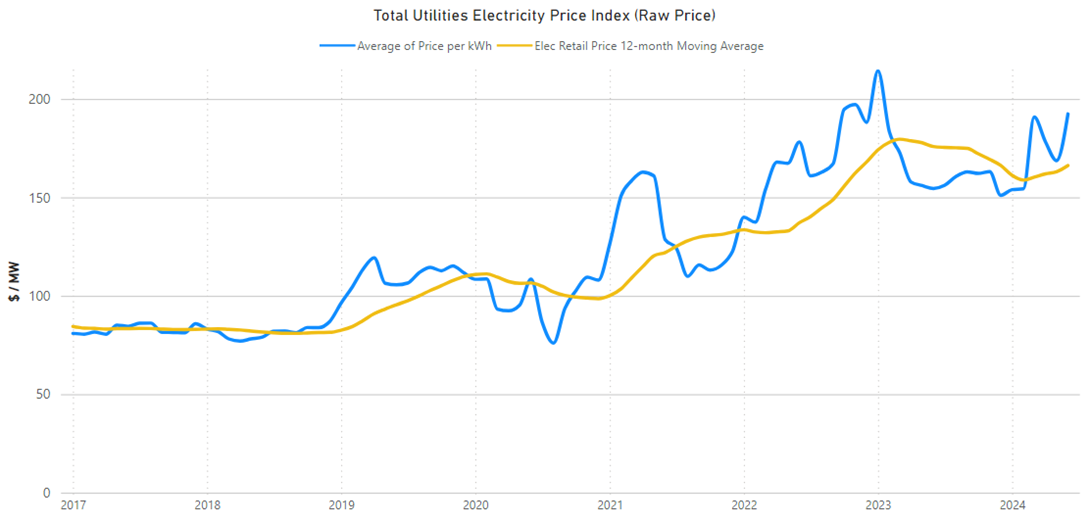
Electricity and natural gas wholesale and retail prices have rocketed, especially for time of use (TOU) business users.
While the four wholesale divisions of the big generator/retailers (gentailers) are making excellent profits, their retail divisions are not. Neither are the retail businesses of their smaller competitors like Electric Kiwi.
Security of supply considerations – the Winstone Pulp International example during the past week says it all as do the recent occasions when electricity supplies were very tight nationally. This should not happen in a First World country.
Compounding the above problems is the fact that:
Competition has largely collapsed in the current natural gas market. Amongst other things, previous major suppliers like Contact and Ongas have exited the market. Because of this, the option of importing liquified natural gas (LNG) is now being considered.
With LPG, an announcement during the past month confirmed that one of the major LPG suppliers is selling its LPG division to a competitor. Furthermore, as we are no longer self-sufficient for LPG supplies, NZ customers will be more exposed to international LPG price hikes, based on changes in the Saudi Aramco index and fluctuations in the NZD:USD exchange rate.
The implications of the above include:
Electricity and gas procurement is no longer a one-off exercise every two or three years. It is an ongoing process.
The contract review process needs to start much earlier, in terms of existing contract expiry dates, than used to be the case.
Merely signing a new three-year Supply Agreement is not necessarily the best thing to do now.
Opportunities may exist for a short-term supply arrangement to ‘buy time’ for signing up to a longer-term Supply Agreement, as and when a suitable opportunity occurs in the market.
With hydro-electricity accounting for 60% plus of total national electricity generation and our hydro-electric dams only having six or seven weeks storage capacity cover, there is always going to be a degree of volatility in our electricity supply. But this volatility has been significantly compounded since 2017 by our reduced fossil fuel-based generation and inadequate replacement renewable-based generation to ‘plug the gap’.
The bottom-line for electricity and natural gas/LPG business customers is that they need to adapt to the reality of drastically increased prices, tight supply and generally adverse market conditions.
Please contact us if you have any questions on the above.
New Zealand’s energy landscape is facing a perfect storm. With hydro storage at historic lows and natural gas production declining, energy prices are surging. As we turn to costly imported coal, the impact on electricity costs is significant. In the following article, Total Utilities Director Chris Hargreaves delves into these challenges and their implications for our energy future.
The New Zealand Electricity market relies heavily on hydroelectricity, which accounts for approximately 60% of total generation in most years. This is supplemented by other baseload generation sources that are available 24/7, including geothermal, natural gas and coal.
Despite New Zealand’s significant hydroelectric capacity, our water storage is limited, usually providing only six weeks of coverage, and often dropping below 30 days during winter. To address this, natural gas and coal are used to manage water storage and provide a top up to meet energy demand.
From a hydro storage perspective, May 2024 was the driest on record. And as of 22/07, total water storage has fallen to 31% of total capacity, which is around 55% of average levels for this time of year. In addition to this, our domestic production of natural gas has been steadily falling since 2018, meaning that natural gas is used less and less for electricity generation.
Why is this important? Because if natural gas is not available, we have to use coal. This carries a much higher marginal cost as we import coal from Indonesia, and costs associated with the emissions trading scheme are much higher than natural gas (for further insights on gas production and consumption and historical electricity risk curves check out Gas Industry Co and the Electricity Authority).
The Coal Cost Dilemma
While you might say, ‘great, we have an alternative fuel source to keep the lights on,’ the downside of using coal is that it sets the price of the electricity wholesale market and drives forward retail energy contract pricing higher for large commercial and industrial customers. Lower priced forms of electricity generation such as hydroelectricity then carry a scarcity premium as demand remains strong in a time when supply is extremely constrained.
The Electricity Authority has for several years stated that we have a competitive retail market environment. As of June 2024, there are 47 electricity trading companies in the New Zealand market. Most of these only supply residential customers or are extremely niche players supplying few electricity connections.
Big Four’s Influence: Market Control and Pricing
There are four major generators in New Zealand: Contact Energy, Genesis Energy, Mercury Energy and Meridian Energy (the big four). These four together produce about 90% of New Zealand’s electricity and supply around 80% of the retail market. They hold significant power( no pun intended!) in dictating terms to smaller independent retailers that do not have generation assets.
These independent retailers face challenges in securing competitive prices for upstream energy hedging to offer their customers. They must also meet substantial prudential cover requirements with the market, which increases with rising wholesale prices. This often means that when wholesale prices escalate, the independent generators are unable to quote pricing to customers as they cannot cover prudential requirements, or they are unable to buy upstream hedging. In essence, the big four can dictate how big the independent retailers get by the way that generation supply is managed.
Over the last 10 years, New Zealand’s baseload generation capacity has declined. Genesis has mothballed part of Huntly power station, which can run on either natural gas or coal. Contact has decommissioned the gas fired generator at Otahuhu B and is now using the gas-fired baseload component of Stratford very sparingly. Similarly, Mercury has decommissioned the gas-fired Southdown power station in Penrose.
New generation has been extremely slow to come into the market, with generators blaming the uncertainty surrounding Tiwai, which has resulted in systemic price increases. This has led to Transpower issuing warnings for the last three winters that electricity generation is struggling to meet demand. The result of this was a blackout in Hamilton during 2021 and a near miss, this year.
Although wind and solar projects are increasing, their intermittent nature fails to provide the continuous coverage needed during dry years, leaving a gap created by the reduced gas supply.
The infrastructure commission states that we have a major deficit and that to meet forecast demand, generation needs to more than double over the next 30 years. This is going to cost a significant amount of money when energy prices are at record highs which businesses are already struggling to absorb. Read ‘How is our infrastructure tracking,’ by the New Zealand Infrastructure Commission to find out more on this.
Coal will also be required in greater quantities and for much longer due to the forecast shortfall in gas production over the next 3 years.
MBIE markets manager Mike Hayward says,“New Zealand has used around 150 PJ of natural gas per year for the last two years. While New Zealand holds 8.7 years of natural gas in usable reserves, field operators only expect to extract up to 140 PJ each year for the next three years.” See this MBIE report for further details.
In 2017, we were procuring five-year fixed price contracts for large industrial customers at around $75/mWh (7.5c/kWh). Pricing obtained last week averaged $170/mWh for the period 01 Jan 2025 to 31 Dec 2029.
Investment Incentives: Why New Projects Are Stalled
However, with four major generator retailers controlling the delivery of significant new generation, there’s little incentive for them to invest in new projects. Instead, they continue to profit from long-paid-off assets.
Until competition emerges in the generation market, I struggle to see how the Electricity Authority can stand behind their claims of a competitive electricity sector.
Act Now: Contact Total Utilities
Navigate the changing energy landscape with confidence. Contact Total Utilities to explore customised solutions and implement an energy management plan today!
Total Utilities is proud to announce its latest venture in the renewable energy market: expanding the sale of unbundled Renewable Energy Certificates (RECs) through a partnership with Lodestone Energy.
This collaboration underscores Total Utilities’ commitment to sustainability and its dedication to providing innovative energy solutions to a broader customer base, both now and into the future.
RECs authenticate the production and consumption of renewable energy. They enable businesses and individuals to offset the carbon associated with electricity consumption and support the development of new renewable energy projects, without directly utilising the energy at the source.
Positioning for Growth in REC Market
Already established as a prominent player in the renewable energy sector, Total Utilities is now strategically positioned to meet the increasing demand for RECs and sustainable energy solutions through its partnership with Lodestone Energy.
Jonathan Gardiner, Managing Director of Total Utilities explains, “We’re excited to partner with Lodestone to expand and enhance our renewable energy offerings. This partnership builds upon our existing relationships with partners such as Pioneer Energy, to meet the evolving needs of our clients.
“By integrating Lodestone into our network of REC partners, we are better equipped to address the growing demand for sustainable solutions.”
Funding Solar development
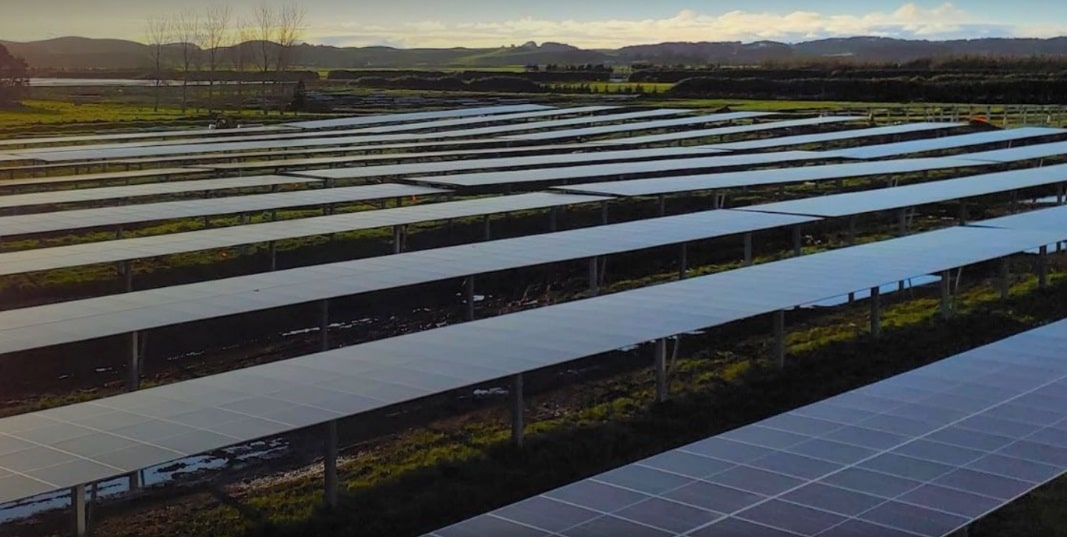
Jonathan emphasises how purchasing RECs supplied by Lodestone through Total Utilities will contribute directly to the development of solar energy in New Zealand: “Lodestone Energy recently launched the first grid-scale solar farm in Kaitaia. By purchasing RECs supplied by them, our clients can play a pivotal role in funding further solar developments by Lodestone at that scale, directly contributing to New Zealand’s sustainability efforts.”
Furthermore, the partnership with Lodestone Energy opens up opportunities for Total Utilities to explore new avenues of renewable energy development and expand its portfolio of sustainable energy solutions.
By leveraging Lodestone’s expertise and resources, Total Utilities aims to enhance its ability to meet the diverse needs of its clients and stay at the forefront of the renewable energy industry.
Making a Meaningful Impact
“For businesses looking to make a meaningful impact on sustainability and support the growth of renewable energy in New Zealand, Total Utilities’ expanded offerings of RECs provide a valuable opportunity.”
“By partnering with Total Utilities and purchasing RECs supplied by Lodestone Energy, businesses can demonstrate their commitment to environmental stewardship and can directly assist in bringing new renewable generation energy projects into the New Zealand market” Jonathan adds.
For more information about Total Utilities’ expanded renewable energy offerings and its partnership with Lodestone Energy, contact us today.
As New Zealand moves forward with phased increases in the waste disposal levy over the next three years, your business needs to prepare for significant changes in waste management practices.
On May 31, 2024, the New Zealand government greenlit the second phase of waste disposal levy rate increases, paving the way for incremental changes over the next three years.
This strategic move aims to refine waste management practices and enhance environmental sustainability across the country.
Understanding the Waste Levy
The waste disposal levy, introduced under the Waste Minimisation Act 2008, is a fee imposed on waste sent to landfill. The primary goal of the levy is to provide a financial incentive to reduce the amount of waste being disposed of in landfills and to promote recycling and resource recovery efforts.
Revenue from the levy is used to support waste minimisation initiatives, including projects and programmes that improve recycling, composting, and waste reduction.
What You Need to Know
Total Utilities’ Sustainable Process Improvement Manager Pravind Singh explains, “The waste disposal levy is being expanded to cover a wider array of landfill types and waste categories. This includes significant adjustments to levy rates, encouraging businesses and households alike to reconsider their waste management strategies.”
Future Rates for the Waste Disposal Levy (per tonne)
Facility Class
Waste Types
Current
1 July 2024
1 July 2025
1 July 2026
1 July 2027
Municipal landfill (Class 1)
Mixed municipal wastes from residential, commercial, and industrial sources
$50
$60
$65
$70
$75
Construction and demolition fill (Class 2)
Accepts solid waste from construction and demolition activities, including rubble, plasterboard, timber, and other materials
$20
$30
$35
$40
$45
Managed or controlled fill facility (Class 3 and 4)
Contaminated but non-hazardous soils and other inert materials (e.g., rubble)
$10
$10
$15
$15
$20
Source: Ministry for the Environment, April 2021. All amounts expressed in dollars per tonne.
Impact on Businesses
“Businesses must prepare for increased operational costs associated with waste disposal as these levy rates escalate,” advises Pravind.
“Proactive planning and strategic adjustments will be essential to mitigate financial impacts and uphold compliance with evolving regulatory standards.”
Total Utilities: Your Strategic Partner
Total Utilities offers expert guidance and customised solutions to help businesses navigate these regulatory changes effectively. Whether you need assistance in waste audit and management or insights into optimising recycling practices, our team is here to support your sustainability goals.
Contact Us
For personalised advice on preparing for the waste disposal levy changes or to explore our comprehensive waste management services, contact Total Utilities today.
Ready for cost-saving solutions? Hear directly from Joanne Gleeson, Office Support Manager at Rinnai NZ, as she shares how Total Utilities Management Group has streamlined contract negotiations and reduced costs for their utility needs since 2012.
‘Total Utilities has been assisting Rinnai NZ in negotiating our electricity/gas (both Natural and LPG) contracts since 2012.
Lately they have also assisted in re-negotiating our waste management contract and this is expected to greatly reduce costs going forward.
Service we receive from Chris Hargreaves, Linda MacIver, and all the team is efficient and professional. It simplifies the process of re-negotiating fresh contracts in an everchanging market. The fee structure Total Utilities offers has flexible options to suit.
The whole process is conducted in a most time manner, from the reminder of terminating contracts coming up, through to receiving the recommendations for renewal.
The contracts provided are clearly tabled and with detailed supporting narrative for us to consider and make the best decisions.
Total Utilities then liaises to assist in the changeover to the new provider and minimises any disruption to our business. The new contract signed by both parties is forwarded to me for reference.
I recommend their expertise to anyone looking to secure utilities contracts that offer the best fit for a company.’
Joanne Gleeson, Rinnai NZ
Rinnai is a market leader in New Zealand, supplying high-quality home heating, heat pumps, water heating, and commercial heating and cooling products.
Contact Total Utilities to find out how we can help your business cut utility costs and create a more sustainable future.
Total Utilities has taken a pioneering step towards fostering sustainable energy by spearheading the landmark collaboration between Manawa Energy and Southern Spars, an iconic New Zealand company known for its cutting-edge marine spars and rigging.
The project primarily revolved around Total Utilities managing Southern Spars electricity Request for Proposal (RFP) while working in tandem with the selected energy provider, Manawa Energy.
While Southern Spars has been a longstanding procurement client of Total Utilities, this particular energy review was unique as it marked a departure from traditional services and encompassed additional negotiation concerning New Zealand Energy Certificates (NZECS, formally known as renewable energy certificates or RECs).
With a strong sustainability focus, Manawa Energy aimed to complement Southern Spars’ electricity supply with NZECS, presenting an exciting opportunity for Southern Spars to become the inaugural client of Manawa Energy’s Energy Certificate program.
NZ-ECs are tradable certificates, tracking and authenticating the production and consumption of renewable energy. They enable businesses or individuals to reduce the reported carbon emissions associated with their electricity consumption, and support bringing new renewable energy production online, without the need to consume it directly at source.
BraveTrace, which operates the NZECS (New Zealand Energy Certificate System), validates that the electricity consumed by Southern Spars is accurately matched and verified against the renewable electricity produced by Manawa Energy.
Bridging the Gap: Total Utilities’ Innovative Solutions
However, a challenge emerged for Manawa Energy: their equipment required certification before providing NZECS to Southern Spars, while Southern Spars’ current electricity contract was nearing its end. Total Utilities was able to step in to bridge this supply gap by providing third party NZECS until Manawa Energy was able to assume full supply.
“As an early participant in BraveTrace’s (previously Certified Energy) NZ Energy Certificate System, Total Utilities can act as an independent NZECS broker,” explained Total Utilities’ Manager Director, Jonathan Gardiner.
“Total Utilities facilitated NZECS transactions, ensuring uninterrupted energy supply while accommodating timing constraints. Our bridging contracts provided a temporary solution, enabling Southern Spars to transition smoothly to renewable energy procurement from the commencement of the new contract,” he added.
BraveTrace’s new CEO, Shaun Goldsbury, enthusiastically celebrates this major collaboration, “Manawa Energy is one of Aotearoa New Zealand’s largest renewable energy generators and we are delighted to welcome them to the BraveTrace network.
“We are particularly proud of our longstanding relationship with Total Utilities and the exceptional support they have provided to Southern Spars in advancing sustainability practices in the sailing world.”
Through careful coordination, Total Utilities managed the NZECS exchange between Manawa Energy and Southern Spars, ensuring the partnership progressed seamlessly.
Manawa Energy has since registered the Kaimai hydroelectric power scheme as a production device and was able to meet Southern Spars’ needs for the 2024 production year.
The Kaimai scheme is significant in Manawa Energy’s generation portfolio as it not only provides renewable electricity to the Bay of Plenty, but also opens up a superb, accessible recreation area popular for fishing, kayaking, picnicking and running.
Water is released through the Lake McLaren Dam up to 26 days a year, providing high flows for white water kayakers from the Kaimai Canoe Club, and local white water rafting businesses.
Navigating complex utility landscapes
“This partnership underscores our dedication to sustainability and innovation,” emphasised Jonathan. “We’re committed to overcoming obstacles and driving progress in utility management.”
It was a great project to work on, and we thoroughly enjoyed the problem-solving discussions with George Anyon at Southern Spars and Glenn Webley at Manawa Energy. “All three parties had to think creatively and flexibly to get the job done,” he added.
Total Utilities’ successful collaboration underscores its ability to navigate complex utility management landscapes. As the industry evolves, it remains at the forefront, leading the charge toward a more sustainable future.
For more information about Total Utilities and their sustainable initiatives, contact us today.